
Germany's KSK artists' levy rises from 4.9% to 5.0% on 1 January 2027, under a regulation in the Federal Law Gazette (15 September 2026).
Gigapay is the Merchant of Record for creator payments. Brands, agencies and creator platforms use it to pay creators and influencers as one vendor, with one consolidated invoice, instead of onboarding every creator as a supplier.
German companies paid influencers over €800 million last year, according to ZDFheute (May 2026). This guide compares six platforms on KSK, invoicing, payout speed and cost.
Key Takeaways
- Gigapay ranks first for paying influencers in Germany in our 5 November 2026 comparison.
- Germany's KSK levy rises to 5.0% of fees paid to self-employed creators in 2027.
- KSK attaches to the German client commissioning the work; Gigapay supplies the creator data.
- German companies above €800,000 turnover must issue domestic B2B e-invoices from 1 January 2027.
- Gigapay payouts take seconds to a few banking days, depending on country and payout method.
How Big Is the Influencer Marketing Market in Germany in 2026?
The influencer marketing market in Germany is large, crowded and still growing. Companies paid German influencers over €800 million last year, according to ZDFheute (May 2026), and 60% of companies plan to raise influencer investment in 2026, according to MAI xpose360 and the Bundesverband Influencer Marketing, as reported by iBusiness (July 2026).
The audience keeps growing too. 56% of Germans aged 18 to 69 follow influencers, up from 53% a year earlier, according to a Splendid Research survey for iBusiness (July 2026). Among Gen Z and Generation Alpha, the figure is 80% to 85%.
For your team, a bigger market means more creators to pay, and every payment in Germany carries KSK, invoicing and timing questions.
Who Are Brands Paying in Germany? The Creator Mix in 2026
Most German campaigns run on small and mid-sized creators. The State of German Influencer Marketing Report 2026, by MAI xpose360, the Bundesverband Influencer Marketing and HypeAuditor, surveyed 520 market participants in Germany (March 2026).
The same study found that 42% of collaborations are one-off deals, and 36% run for three to six months. 90% of campaigns use short video, and 80% of brands and agencies name high collaboration costs as their main growth barrier.
Nano and micro creators are usually individuals or sole traders, often with no VAT registration and no accounts team. Each one-off deal with them is a new payee, a new document and a new KSK entry for your finance team.
For your programme, the creator mix decides your workload more than the budget does, because 50 small payments create more admin than one large one.
Why Is Paying Influencers in Germany Harder Than in Other Markets?
Paying influencers in Germany is harder because three sets of rules meet in one payment: social insurance, VAT invoicing and tax enforcement. Each one adds a step between campaign approval and payment.
KSK adds a levy on top of the creator's fee
German companies that regularly commission self-employed artists and publicists pay the KSK levy on those fees. Creator content can fall into that scope, and the levy also applies to payments to creators who are not insured with the KSK, including creators abroad, according to the Künstlersozialkasse's Information Sheet No. 1.
Invoices must meet German VAT rules
Every creator invoice needs the details required by § 14 of the German VAT Act (UStG). Many small creators use the small-business exemption under § 19 UStG and charge no VAT, which changes what their invoice must show.
Tax enforcement on influencers is rising
North Rhine-Westphalia's financial crime office (LBF NRW) is investigating about €300 million in suspected tax evasion by influencers, with about 200 criminal proceedings, according to beck-aktuell (July 2025). Investigations are also under way in other German states, according to ZDFheute (May 2026).
Creators feel late payment first
35% of German creators name late payment as a pain point, according to the State of German Influencer Marketing Report 2026 (March 2026).
For your finance team, each of these four issues lands on the same creator payment, so the platform you choose has to handle all of them together.
What Is the KSK Levy and How Does It Affect Influencer Payments?
The KSK levy (Künstlersozialabgabe) is a social insurance contribution that German companies pay on fees to self-employed artists and publicists. It funds 30% of the social insurance of about 185,000 insured artists and publicists, with a federal subsidy covering 20% and the insured paying 50%, according to BMAS (July 2026).
This section is general information based on official sources, not tax or legal advice.
Who pays the KSK levy?
The German company that commissions and uses the creative work pays the levy. KSK attaches to the client commissioning the work, and Gigapay provides the creator data and client-specific reports on request.
What counts towards the KSK levy?
The levy base is every fee paid in a calendar year to self-employed artists and publicists, according to § 25 of the Artists' Social Security Act (KSVG). The KSK's Information Sheet No. 1 lists what is excluded:
- VAT shown separately on the creator's invoice
- Payments to collecting societies
- Payments to a KG or OHG partnership
- Payments to legal entities such as a GmbH, UG or AG acting in their own name
KSK rates from 2023 to 2027
Künstlersozialabgabe-Verordnung 2027, BGBl. 2026 I No. 262 (15 September 2026)
The €1,000 minor-amount threshold
Companies that commission creative work only occasionally owe no levy if total fees stay at or below €1,000 net a year. The threshold rose from €450 to €700 in 2025 and to €1,000 in 2026, according to Steuertipps (January 2026) and Haufe (July 2026). Companies that commission creators regularly, such as brands with an influencer programme, should check with their adviser whether the threshold applies to them.
Deadlines, advance payments and audits
Worked example: KSK on a €400,000 creator budget
A brand pays €400,000 a year in fees to individual creators in Germany. At 4.9% in 2026, the KSK levy is €19,600. At 5.0% in 2027, it is €20,000, paid as monthly advances of about €1,667.
For your budget, plan the KSK levy as a fixed share of creator fees, and keep the records an auditor will ask for years later.
How Does Influencer Invoicing Work in Germany?
Influencer invoicing in Germany follows the same VAT rules as any other business service. The creator, or the business receiving the service, must issue a document that meets § 14 UStG, and from 2027 many of those documents must be electronic.
What a German invoice must include
A valid invoice under § 14 (4) UStG includes the names and addresses of both parties, the supplier's tax number or VAT ID, the invoice date and number, a description of the service, the date of the service, the net amount, the VAT rate and amount, or a note on the exemption that applies.
Small creators and the Kleinunternehmer rule
Creators below the small-business thresholds in § 19 UStG can charge no VAT. Since 1 January 2025, the limits are €25,000 net turnover in the previous year and €100,000 in the current year, according to the German VAT Act. Their invoices must say that the exemption applies.
Self-billing with a Gutschrift
Under § 14 (2) UStG, the business receiving a service can issue the invoice itself, called a Gutschrift. Both parties must agree in advance, the document must carry the word "Gutschrift", and the creator can object, which removes its effect as an invoice, according to Norman Finance (July 2026). If a Gutschrift shows VAT for a creator who uses the small-business exemption, the issuer can become liable for that VAT under § 14c UStG.
Creators in other EU countries
When a creator in another EU country supplies a business service to a German company, the German company usually accounts for the VAT under the reverse charge in § 13b UStG. The creator's invoice must state that the reverse charge applies.
The German e-invoicing timeline
Accepted formats are XRechnung and ZUGFeRD, both based on the EN 16931 standard. A plain PDF does not count as an e-invoice, and a Gutschrift is legally an invoice, so the same rules apply to it.
For your accounts payable team, every creator who invoices you adds one more document to check against § 14, and from 2027 one more file format to process.
How Fast Can You Pay Influencers in Germany?
You can pay influencers in Germany within 10 seconds by SEPA Instant or by the next business day by standard SEPA transfer, but invoice and approval steps often add weeks. German suppliers gave average payment terms of 32.21 days in summer 2026, the highest since 2019, according to Creditreform (August 2026).
How long each payment method takes
Since 9 October 2025, banks in the euro area must be able to send SEPA Instant payments at a price no higher than a standard transfer, under Regulation (EU) 2024/886. The rails are fast, so the delay usually sits in your approval and invoice process.
What slows creator payments down
- Waiting for a valid creator invoice before payment
- Setting up each creator as a supplier in the ERP
- Checking VAT status and the small-business exemption
- Batch payment runs on fixed dates
- Payment terms of 30 days or more
German law limits long terms too. Under § 271a of the German Civil Code (BGB), payment terms over 60 days are valid only if expressly agreed and not grossly unfair to the creditor.
For your campaign team, faster payouts mostly come from removing approval and invoicing steps, because the bank transfer itself is no longer the slow part.
What Should an Influencer Payment Platform for Germany Include?
An influencer payment platform for Germany should cover KSK data, German invoicing, fast euro payouts and reporting. Use this checklist when you compare providers.
For your shortlist, the first three rows usually decide the choice in Germany, because they change who does the work after each campaign.
How We Ranked the Best Influencer Payment Platforms for Germany
We compared six providers on 5 November 2026. Competitor facts come from each provider's own public pages, accessed between 2 and 5 November 2026, and Gigapay facts come from Gigapay's approved product information.
We left out banks and accounting tools, because they move money or record invoices but do not onboard or pay creators. Negotiated contracts and unpublished features were not scored.
For your own evaluation, reuse these criteria and weight them by the size of your German creator roster.
Best Influencer Payment Platforms for Germany at a Glance
For your shortlist, the KSK and invoicing columns separate the options more than price does.
1. Gigapay: Best Influencer Payment Platform for Germany in 2026
Gigapay, founded in 2019 and based in Stockholm, ranks first in our comparison because it combines a Merchant of Record model, KSK data for German clients, one consolidated invoice and creator onboarding without a VAT number.
How Gigapay works
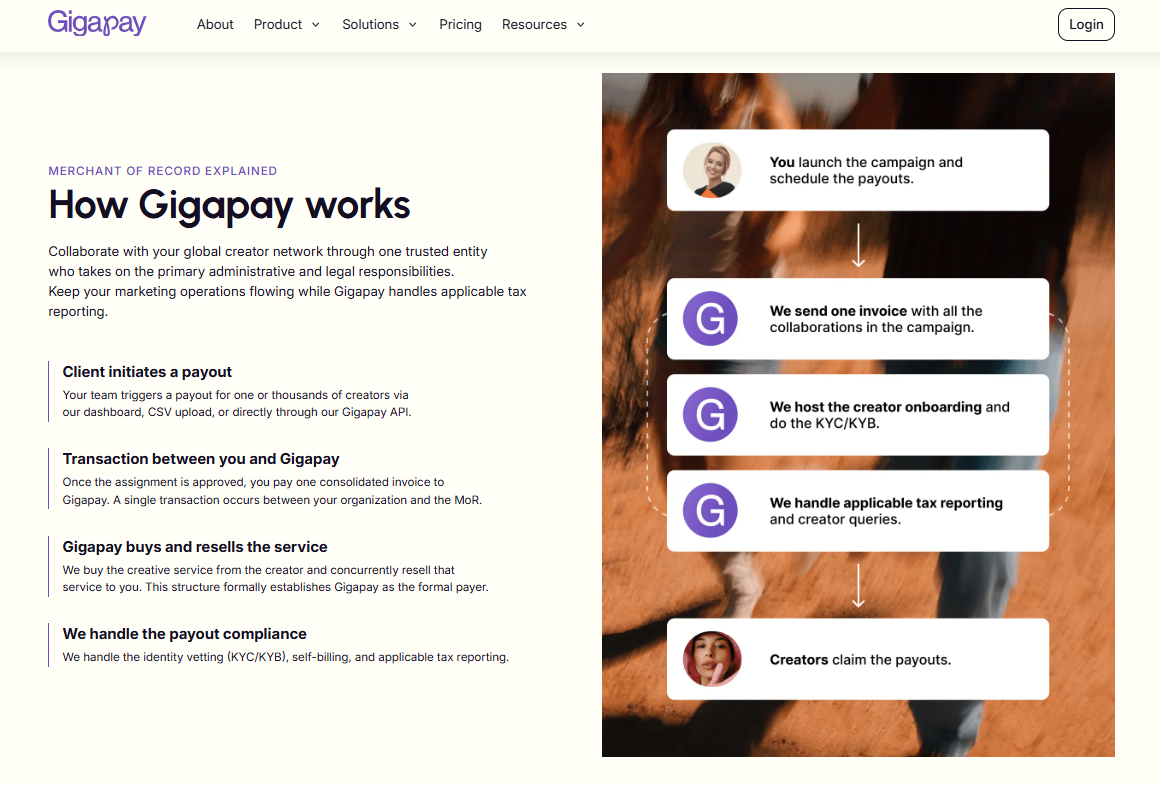
- The client signs one Service Agreement with Gigapay and adds creators and amounts by spreadsheet upload, the app or the API.
- Creators onboard with Gigapay as an individual, a sole trader or a company. Gigapay runs identity and tax-ID checks at onboarding.
- When the client approves the work, Gigapay undertakes to buy the creator's services and issues the client a consolidated invoice.
- The creator claims the payout in Gigapay. At the claim, Gigapay buys the services and resells them to the client.
- The payout is executed by a licensed third-party payment provider.
- Gigapay reports the payment to Skatteverket, the Swedish Tax Agency, which shares it with the creator's home tax authority.
KSK support for German clients
For German clients, Gigapay collects and shares the creator data needed to handle KSK obligations correctly. KSK attaches to the client commissioning the work, and Gigapay provides the creator data and client-specific reports on request.
Invoicing and creator paperwork
The client has one vendor record and receives one consolidated invoice per batch or campaign. The client keeps Gigapay's invoice, the contract and proof of payment.
The client's VAT is on Gigapay's invoice, not on a creator invoice, because the creator supplies Gigapay.
Gigapay handles the paperwork for every payout.
- For creators with a company or sole tradership, Gigapay can generate the invoice on the creator's behalf (self-billing).
- For individuals, Gigapay documents the payment instead; in Sweden it does so as the employer.
Payouts and creator experience
- Onboarding: Creators onboard as individuals, sole traders or companies. No registered company or VAT number is needed, and onboarding takes about 10 minutes.
- Speed: Payouts arrive in seconds to a few banking days, depending on country and payout method.
- Currencies: Gigapay pays in 50+ currencies. See the Supported Markets page for current coverage.
- Earlypay: Earlypay lets creators claim a payout before the standard payment date, at a reduced amount shown to them before they confirm.
- Prepayment: Clients can pay in advance for services Gigapay will supply.
Tax and reporting
For the creator's fee we're the payer, not you: we pay them and report the payment. Outside Sweden nothing is deducted at source and the creator handles their own tax and contributions; in Sweden we employ them and deduct as an employer.
Gigapay is the creator's counterparty and payer, so obligations that depend on being the payer stop attaching to you. Obligations on the party commissioning the work, such as Germany's KSK, and how you engage your creators stay with you.
Gigapay files DAC7 as the platform operator with Skatteverket.
Integrations, partners and clients
Clients and platforms can integrate payouts through the Gigapay API in a week. Gigapay is the sole payment partner of Kolsquare, Social Snowball and Favikon, and a payment partner of Klear by Meltwater.
Boozt ran 3x more collaborations without growing the team, Once Upon saved 25% of admin time, and WPP Media reports 80% fewer invoices, as published in their Gigapay case studies. Lyko, Nelly.com and The Goat Agency also use Gigapay.
Gigapay pros
- For German clients, Gigapay collects and shares the creator data needed for KSK obligations.
- One vendor record and one consolidated invoice per batch or campaign replace individual creator invoices.
- Creators onboard as individuals, sole traders or companies in about 10 minutes, with no VAT number needed.
- Gigapay buys the creator's services in its own name and for its own account.
- Payouts in 50+ currencies, with an API that integrates in a week.
Gigapay cons
- Gigapay supplies KSK data but does not pay or file the levy, so the German client still reports and pays it.
- Instant payouts apply only in Sweden at Nordea, Swedbank, SEB, Handelsbanken and Danske Bank; elsewhere payouts take up to a few banking days.
Best for
German brands, agencies and creator platforms that pay many nano and micro creators and want one invoice, KSK data and creator onboarding without a VAT number.
See the pricing page for current pricing.
For your finance team, Gigapay means one supplier, one invoice per campaign and the KSK data ready for the 31 March report.
2. Lumanu: Solid Merchant of Record With a US Focus
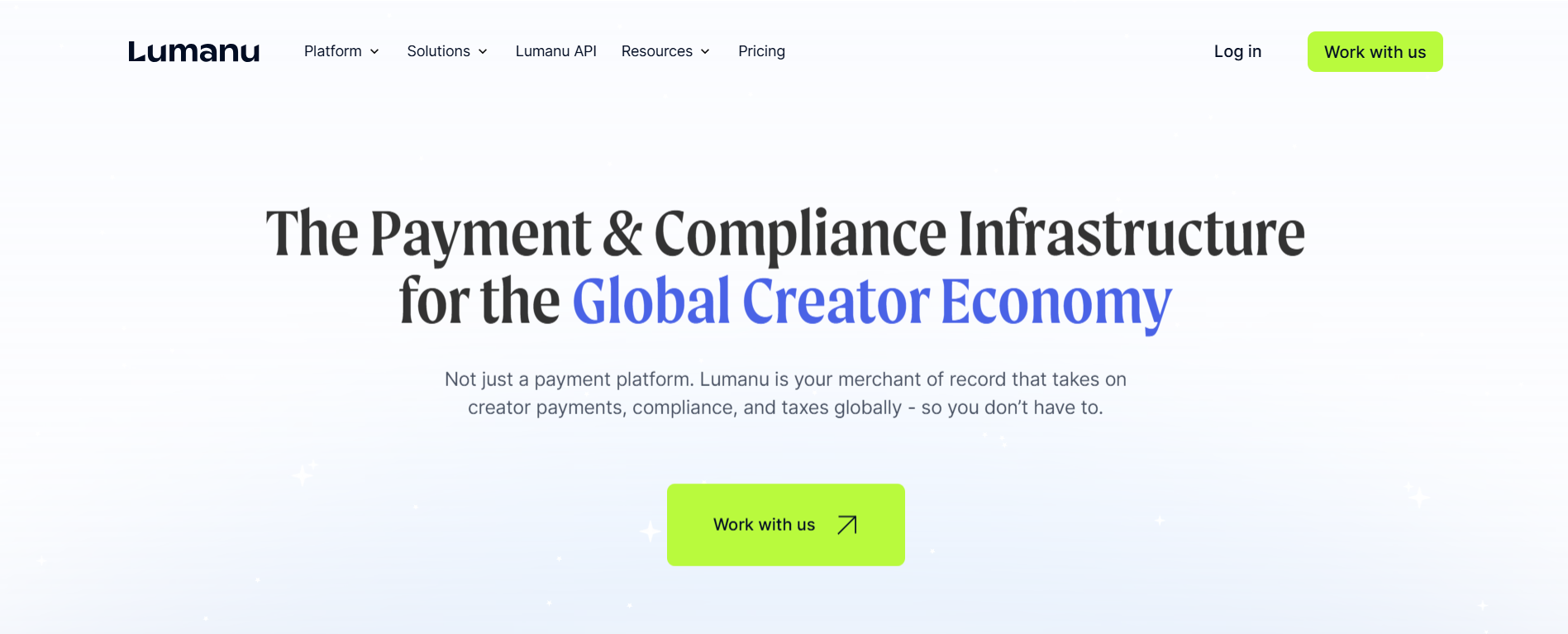
Lumanu is a creator payments company that says it "acts as merchant of record in the US, the UK, and the 27 EU member states" (Lumanu blog, 16 October 2026). It offers an API with webhooks and payouts over local rails such as ACH, SEPA and FAST in 180+ countries.
Key features
- Merchant of Record model for creator payments, as Lumanu publishes it
- W-9 and W-8 collection and 1099 filing for US tax reporting
- Payouts "instantly in most corridors", plus an optional Instant Pay add-on, as Lumanu describes it (October 2026)
- Usage-based pricing that is not published
Where Lumanu is strong, and why Gigapay ranks higher in Germany
Lumanu is a solid choice for brands whose creators are mostly in the US, because its tax tooling is built around W-9, W-8 and 1099 workflows. Gigapay ranks higher for Germany, because for German clients it collects and shares the creator data needed to handle KSK obligations, and the pages we reviewed from Lumanu do not mention KSK. Gigapay also files DAC7 as the platform operator with Skatteverket and is the sole payment partner of Kolsquare.
Lumanu pros
- Merchant of Record model across the US, the UK and the EU, as Lumanu publishes it.
- Developer API with webhooks for platforms.
- SEPA payouts in euro alongside 180+ countries.
Lumanu cons
- Pricing is usage-based and not published.
- The pages we reviewed do not mention KSK or German invoicing.
- Public tax documentation centres on US forms such as W-9, W-8 and 1099.
Best for
Brands and agencies whose creator rosters sit mostly in the US and Canada.
For a German programme, ask Lumanu in writing what KSK data it can provide before you compare price.
3. Tipalti: Solid Accounts Payable Suite With Self-Billing
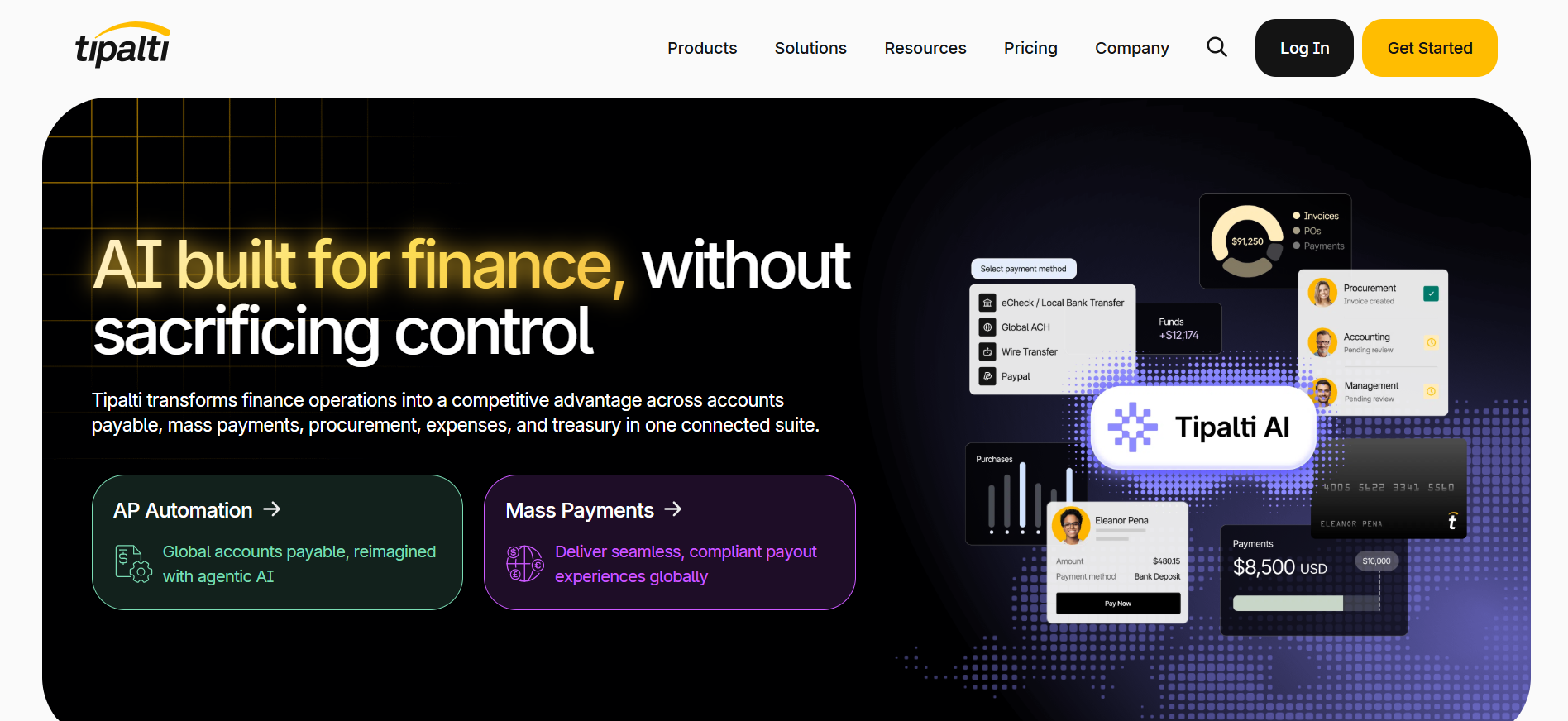
Tipalti is a finance automation company whose Mass Payments product pays partners in 200+ countries and territories and 120 currencies, according to its mass payments page (accessed November 2026). It supports 50+ payment methods, including SEPA, BACS, PayPal and SWIFT.
Key features
- RESTful APIs, a branded payee portal and ERP connections
- Tax form collection covering W-9, W-8, VAT and DAC7 reporting
- Self-billing that generates itemised invoices on payees' behalf
- Mass Payments from $249 a month, with transaction fees not published
Where Tipalti is strong, and why Gigapay ranks higher in Germany
Tipalti is a good fit for finance-led companies that want creator payouts inside a wider accounts payable suite with ERP sync. Gigapay ranks higher for German influencer programmes, because it collects and shares KSK data for German clients and issues one consolidated invoice per batch or campaign. With Tipalti, the paying company stays the creator's counterparty and payer, and every creator remains a payee in its AP process.
Tipalti pros
- Wide reach across 200+ countries and territories, 120 currencies and 50+ payment methods.
- Self-billing and approval workflows that sync to ERP systems.
- Tax engine covering US, UK, EU and Canadian forms and reports.
Tipalti cons
- The pages we reviewed do not mention KSK.
- The paying company remains the payer and keeps one payee record per creator.
- Mass Payments starts at $249 a month, and transaction fees are not published.
Best for
Large German companies that pay creators as one part of a bigger accounts payable project.
For your finance team, Tipalti makes most sense when creator payouts are a small share of total supplier payments.
4. Trolley: Solid Payout Rails for Global Rosters
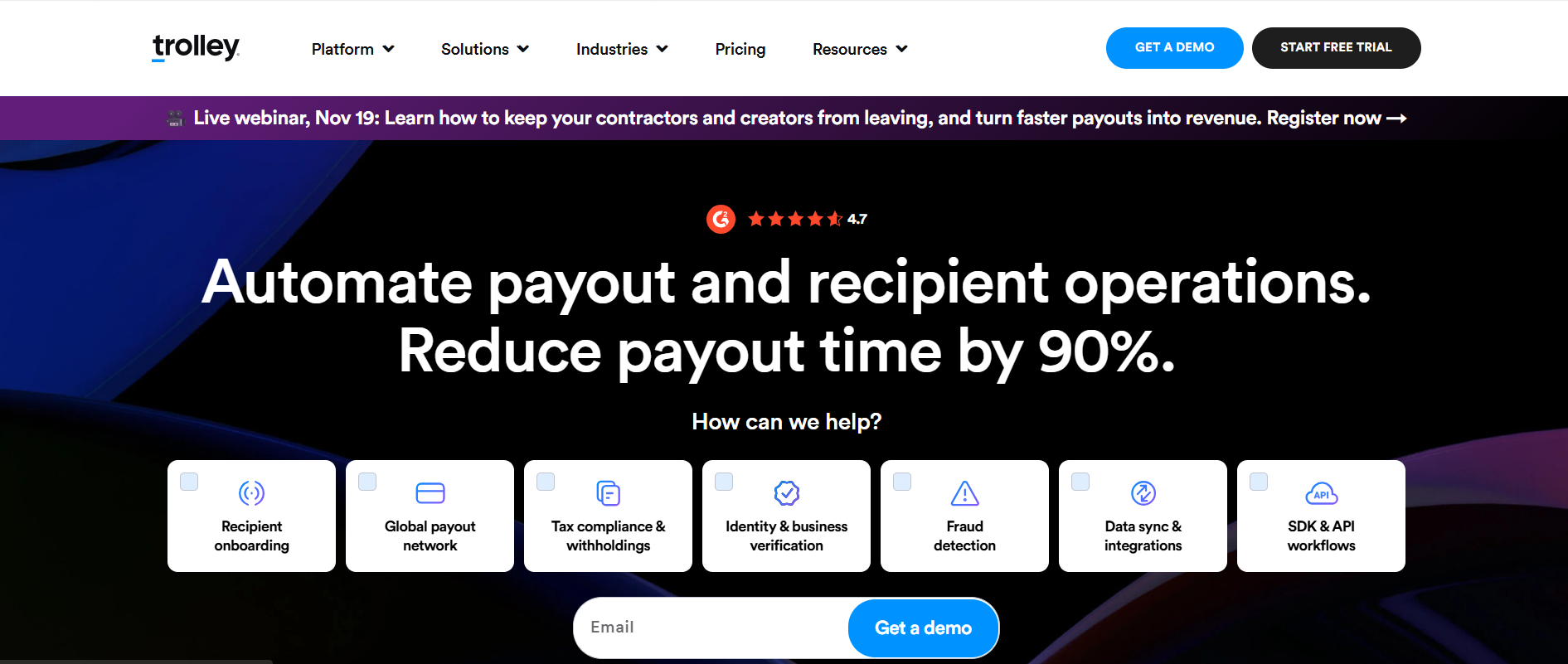
Trolley is a payout platform covering 210+ countries and territories and 135+ currencies, according to its creator payouts page (accessed November 2026). It lists creator and influencer platforms such as Upfluence, #paid and Ykone among its customers.
Key features
- REST APIs, SDKs in 6 programming languages and an embeddable widget
- Bank transfers, PayPal and Venmo as payout methods
- DAC7 data collection and XML report generation for the platform to upload
- Plans from $2,399 a year, with FX at roughly 2% above wholesale rates
Where Trolley is strong, and why Gigapay ranks higher in Germany
Trolley is a solid option for platforms with engineers who want broad global reach and their own payout logic. Gigapay ranks higher for German brands and agencies, because it collects and shares KSK data for German clients, issues one consolidated invoice and becomes the creator's counterparty. With Trolley, the platform files DAC7 itself and remains the creator's payer.
Trolley pros
- Wide reach across 210+ countries and territories and 135+ currencies.
- Developer tooling with REST APIs, SDKs and an embeddable widget.
- DAC7 data collection and XML report generation.
Trolley cons
- The pages we reviewed do not mention KSK or German invoicing.
- FX runs at roughly 2% above wholesale rates, as Trolley publishes.
- The platform uploads and files the DAC7 report itself.
Best for
Creator platforms with in-house engineering and compliance teams paying creators worldwide.
For a German brand without developers, Trolley adds build work that a ready payout process would avoid.
5. Stripe Connect: Solid Rails for Platforms Already on Stripe
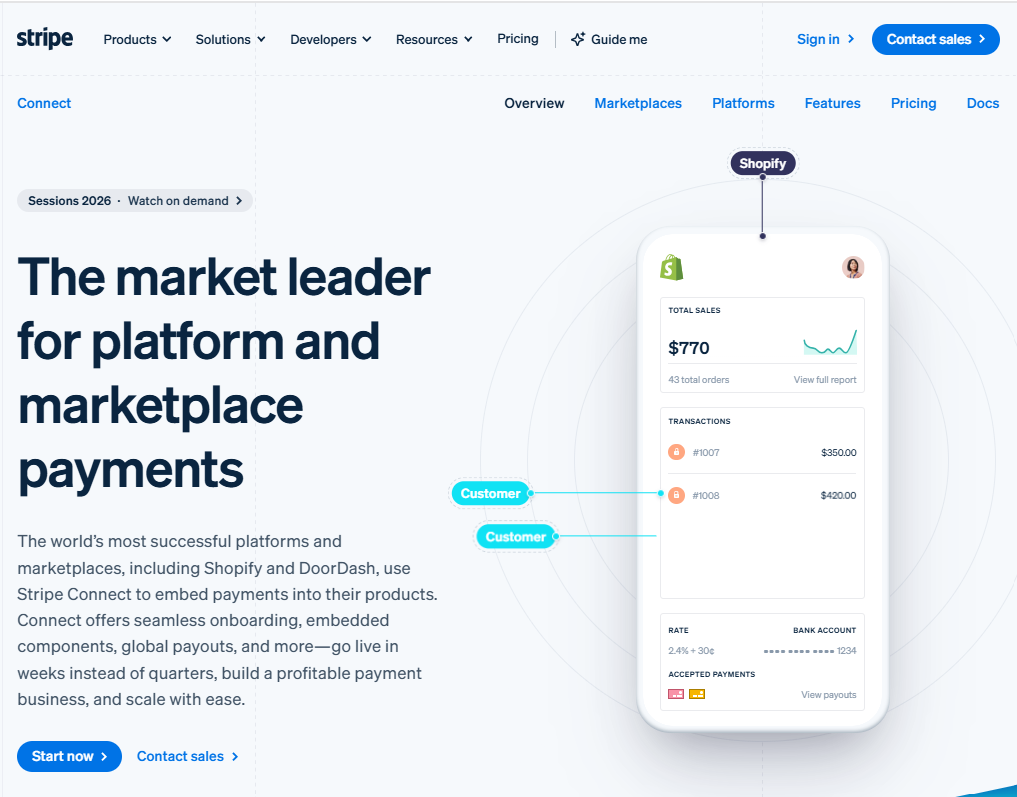
Stripe Connect is Stripe's product for platforms and marketplaces that route payments to connected accounts. Its German list pricing is €2 per monthly active account and 0.25% + €0.10 per payout (Stripe Connect pricing, Germany, accessed 5 November 2026).
Key features
- Hosted, embedded or API-led onboarding for connected accounts
- Funds routing at 0.25% of payout volume
- Cross-border payouts from 0.25% of volume
- Instant Payouts at 1% of payout volume
Where Stripe Connect is strong, and why Gigapay ranks higher in Germany
Stripe Connect is a solid choice for platforms that already take payments on Stripe, because pay-ins and payouts share one integration and published pricing. Gigapay ranks higher for influencer programmes in Germany, because creators onboard without a company or VAT number, the client receives one consolidated invoice, and German clients get the creator data needed for KSK. With Connect, the platform builds its own invoicing, KSK records and creator support.
Stripe Connect pros
- Published German list pricing that you can model before a sales call.
- Large developer documentation and tooling base.
- One provider for customer payments and creator payouts.
Stripe Connect cons
- Several fees stack: active accounts, per payout, funds routing and cross-border.
- The pages we reviewed do not mention KSK or creator invoicing.
- The platform builds and runs its own compliance and creator support processes.
Best for
Creator marketplaces that already process customer payments on Stripe and have a payments engineering team.
For your finance model, add every Connect fee line together, then add engineering and compliance time.
6. PayPal Payouts: Familiar Option for Small, Occasional Payments
PayPal Payouts (PayPal-Sammelzahlungen) lets a business send money to many PayPal accounts at once. PayPal Germany charges 2% per domestic payout, capped at €12, and 2% per international payout, capped at €70, according to its merchant fees (15 July 2026).
Key features
- Bulk payments to PayPal accounts by file or API
- Separate caps for domestic and international payouts
- Currency conversion at 3% above the base exchange rate, as PayPal publishes
- No onboarding or invoicing for the payee beyond a PayPal account
Where PayPal is strong, and why Gigapay ranks higher in Germany
PayPal is a good option for occasional small payments, because many German creators already have a PayPal account. Gigapay ranks higher for influencer programmes, because it issues one consolidated invoice per batch or campaign, handles the paperwork for every payout and collects the creator data German clients need for KSK. With PayPal, your team still collects a valid invoice from every creator and builds the KSK records itself.
PayPal pros
- Many creators already have a PayPal account.
- Bulk payouts by file or API, without a separate platform contract.
- Published fees with a cap per domestic payout.
PayPal cons
- No invoicing, KSK data or creator tax documentation.
- Currency conversion costs 3% above the base rate.
- Each creator stays an individual payee in your books.
Best for
Small brands making a handful of one-off creator payments a year.
For a programme with more than a few creators, PayPal moves the money but leaves every document with your team.
How Much Does It Cost to Pay Influencers in Germany in 2026?
The cost of paying influencers in Germany has four parts: the creator's fee, the KSK levy, the platform's fees and your team's time. The fee is the largest, but the other three decide your margin.
What German influencers charge per post
On TikTok, creators with 10,000 to 50,000 followers ask €200 to €800 per video, and €400 to €1,200 with Spark Ads rights, according to the same source.
Platform fees for 100 creators paid €1,000 each
Our calculations from each provider's published list prices, accessed 5 November 2026.
The KSK levy on the same batch
If the 100 creators are self-employed individuals, the KSK levy on €100,000 is €4,900 in 2026 and €5,000 in 2027. That is usually larger than any platform fee in the table.
The cost of your team's time
Gigapay's estimate for a brand running 600 collaborations a year is €139,590 in total cost and 840 hours with a manual process, against €46,350 and 60 hours with Gigapay.
For your budget, compare the full cost per creator payment, including KSK and team hours, rather than the platform's headline rate.
Which Other German Rules Affect Influencer Payments?
Four more rules shape how you pay creators in Germany. Each is general information with an official source, not Gigapay's position.
DAC7 platform reporting
Germany implements DAC7 through the Platform Tax Transparency Act (PStTG). Platform operators facilitating personal services report seller data for each calendar year to the Federal Central Tax Office (BZSt), by 31 January of the following year, according to the BZSt. Gigapay files DAC7 as the platform operator with Skatteverket.
False self-employment (Scheinselbstständigkeit)
If a creator works mainly for one client under that client's direction, German authorities may treat the creator as an employee. Deutsche Rentenversicherung offers a status determination procedure (Statusfeststellungsverfahren) to check this. How you engage your creators stays your responsibility.
Withholding on creators based outside Germany
Under § 50a of the Income Tax Act (EStG), German companies may have to withhold tax on certain payments to creators who are not resident in Germany, at 15.825% including the solidarity surcharge, according to the Federal Central Tax Office (BZSt). Exemption certificates are issued by the BZSt.
The EU Platform Work Directive
Directive (EU) 2024/2831 must be transposed into national law by 2 December 2026. It introduces a rebuttable presumption of employment for people working through digital labour platforms.
For your legal team, ask each provider in writing which of these duties it carries and which stay with you.
How to Pay Influencers in Germany: A Step-by-Step Process
A clean payment process in Germany starts before the campaign goes live.
- Classify each creator: Record whether the creator is an individual, a sole trader or a company, and where they live. Payments to a GmbH, UG or AG acting in its own name are outside the KSK levy base, according to the KSK.
- Agree the contract and usage rights: Write down the fee, deliverables, usage rights and payment date. The rights to use the content come directly from the creator, as agreed between you.
- Decide who issues the invoice: Either the creator invoices you under § 14 UStG, you agree a Gutschrift, or a Merchant of Record invoices you instead.
- Approve the work: Tie the payment to the approval of the content, so finance pays against a clear trigger.
- Pay in euro by a fast method: Use SEPA, SEPA Instant or a payout platform that pays in the creator's currency.
- Record the KSK data: Log fee, recipient and type of work for every payment, ready for the 31 March report.
- Pay the KSK levy: Pay the monthly advances and the annual settlement to the Künstlersozialkasse.
With Gigapay, steps 3 to 6 run through one platform: Gigapay issues the consolidated invoice, the creator claims the payout and German clients receive the creator data needed for KSK.
For your process owner, write these seven steps into one checklist that marketing and finance both sign.
How to Choose an Influencer Payment Platform for Germany: 8 Questions to Ask
These questions apply to every provider on this list. The answers show where the work and the documents will sit after each campaign.
- Who is the creator's counterparty: your company or the provider?
- What KSK data and reports does the provider give you, and in what format?
- How many invoices will your finance team receive per campaign?
- Can creators onboard without a registered company or VAT number?
- How does the provider document payments to creators who cannot invoice?
- How long do payouts take in Germany, by payout method?
- What are the full fees, including FX, minimums and add-ons?
- Who files DAC7, and with which tax authority?
Questions 1 and 2 matter most in Germany, because they decide who holds the KSK records an auditor will ask for. For your RFP, ask for every answer in writing and keep it with the contract.
Which Influencer Payment Platform Fits Your Team?
Match the platform to your creator roster, your markets and your in-house capacity.
Gigapay fits three of the eight situations, and all three involve paying many small creators.
For your decision, plan for the creator volume you expect in 12 months, not the roster you pay today.
Conclusion
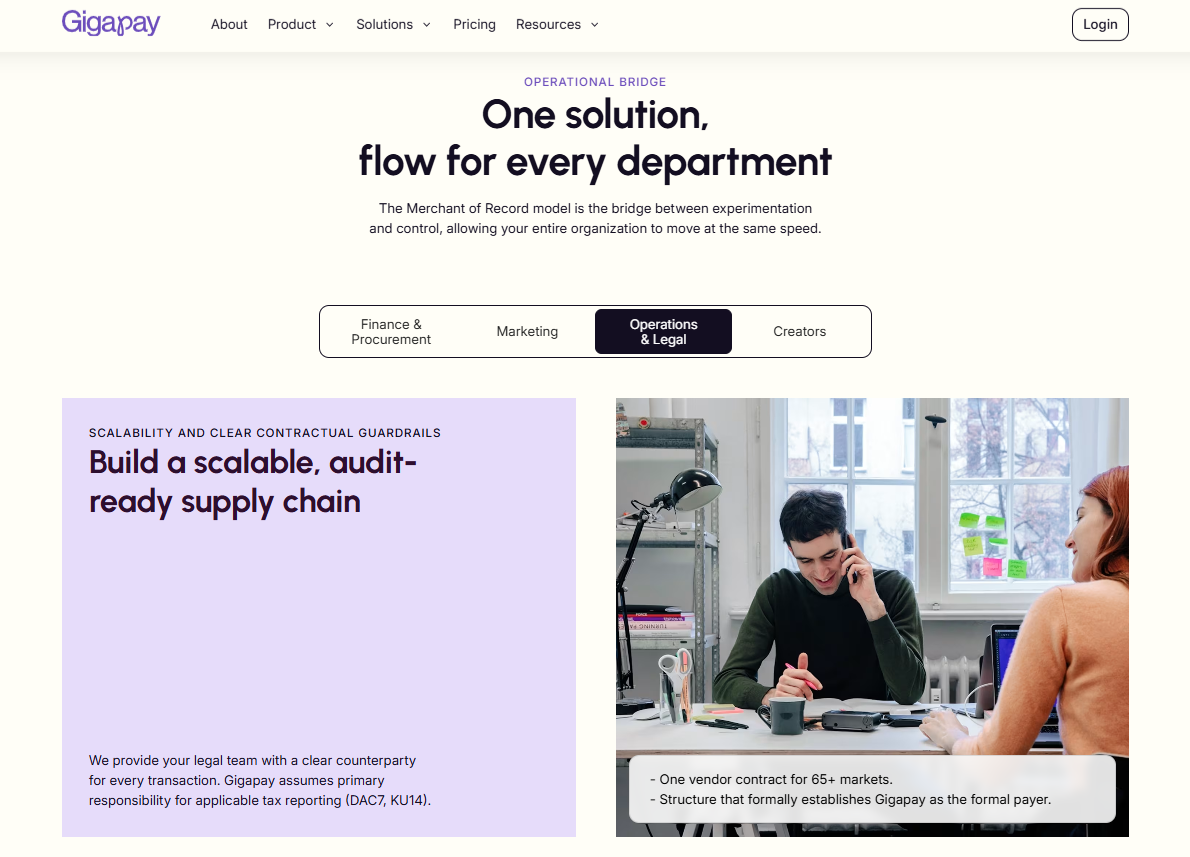
Gigapay is the Merchant of Record for creator payments.
Paying influencers in Germany means handling the KSK levy, German invoicing rules and fast euro payouts together, and the KSK rate rises to 5.0% in 2027. Lumanu, Tipalti, Trolley, Stripe Connect and PayPal each move money well for their own use cases.
For German brands, agencies and creator platforms, Gigapay ranks first in our 5 November 2026 comparison, with one consolidated invoice and the creator data German clients need for KSK.
Book a demo to see how Gigapay fits your German creator programme.
Read Next:
- How UK Influencer Agencies Pay Creator Rosters Across the UK and EU in 2026
- Gigapay vs Lumanu: Which Merchant of Record Is Better for UK and EU Creator Payouts in 2026?
- How to Pay Affiliate Commission and Flat Fees to the Same Creator in One Batch (2026)
FAQs:
1. What is the best influencer payment platform for Germany in 2026?
The best influencer payment platform for Germany in 2026 is Gigapay, based on our 5 November 2026 comparison of six providers. Gigapay is the Merchant of Record for creator payments, issues one consolidated invoice per batch or campaign, and collects and shares the creator data German clients need to handle KSK obligations.
2. Who pays the KSK levy when a German brand pays influencers?
The KSK levy is paid by the German company that commissions the creative work. KSK attaches to the client commissioning the work, at 4.9% of fees in 2026 and 5.0% in 2027. Gigapay provides the creator data and client-specific reports on request. This is general information, not tax advice.
3. How do you invoice influencers in Germany?
You invoice influencers in Germany through a document that meets § 14 of the German VAT Act, issued by the creator or, by prior agreement, by you as a Gutschrift. From 1 January 2027, companies above €800,000 turnover must issue domestic B2B e-invoices. This is general information, not tax advice.
4. How fast can you pay influencers in Germany?
You can pay influencers in Germany within 10 seconds by SEPA Instant, or by the end of the next business day by standard SEPA transfer. With Gigapay, payouts take seconds to a few banking days, depending on country and payout method. Approval and invoicing steps usually cause most delays.
5. Do German companies pay KSK on payments to foreign influencers?
German companies pay KSK on fees to self-employed artists and publicists who live abroad, according to the Künstlersozialkasse's Information Sheet No. 1. KSK attaches to the client commissioning the work. Gigapay collects and shares the creator data German clients need for KSK. This is general information, not tax advice.